
Backrooms Review
Stalkerlite

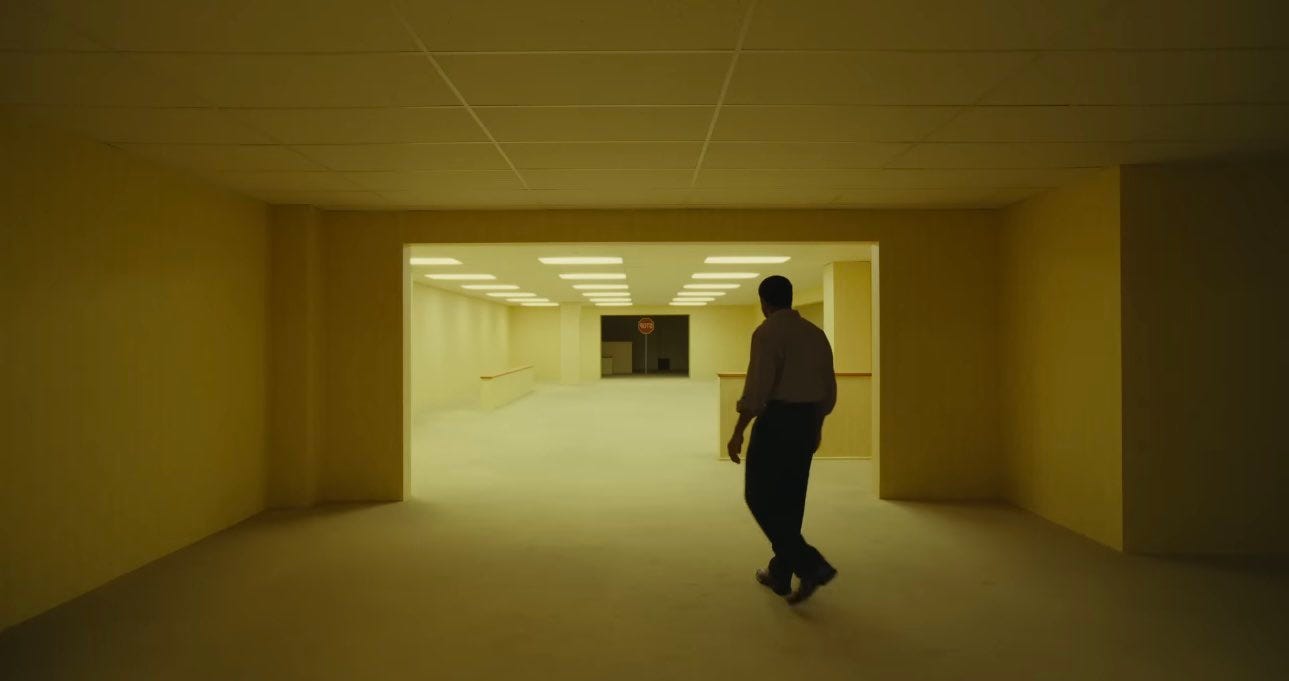
Over the past two months, I’ve been showing my wife Twin Peaks for the first time, and it’s been one of the most rewarding experiences of all time. The smile I had seeing her fall in love with Special Agent Dale Cooper and his earnestness for pie and coffee. Watching her be swept up and moved to tears by Angelo Badalamenti’s score when Twin Peaks townfolk embraced (the waterworks we had together when Major Briggs tells his son Bobby about his dream is now a core memory for me). The way we held each other so close when the otherworldly Bob appeared on screen and horrified us to no end is something I’ll cherish forever. Now, what the hell does all this gushing about wonderful quality time with my wife have to do with a 20-year-old’s debut film for a major studio that knocked off a STAR WARS movie at the box office? Well, who isn’t but the King of liminal spaces but David Lynch? The finale of the original Twin Peaks series is one of the most audacious pieces of network television. Rewatching it now as Special Agent Dale Cooper runs around the nightmare that is the Black Lodge, it’s hard not to see comparisons to other Lynch work that heavily inspired Kane Parsons’ Backrooms, and how that’s maybe one of the best compliments I can ever offer as a critic. If you make me think of my favorite director’s work, you must be doing something right.
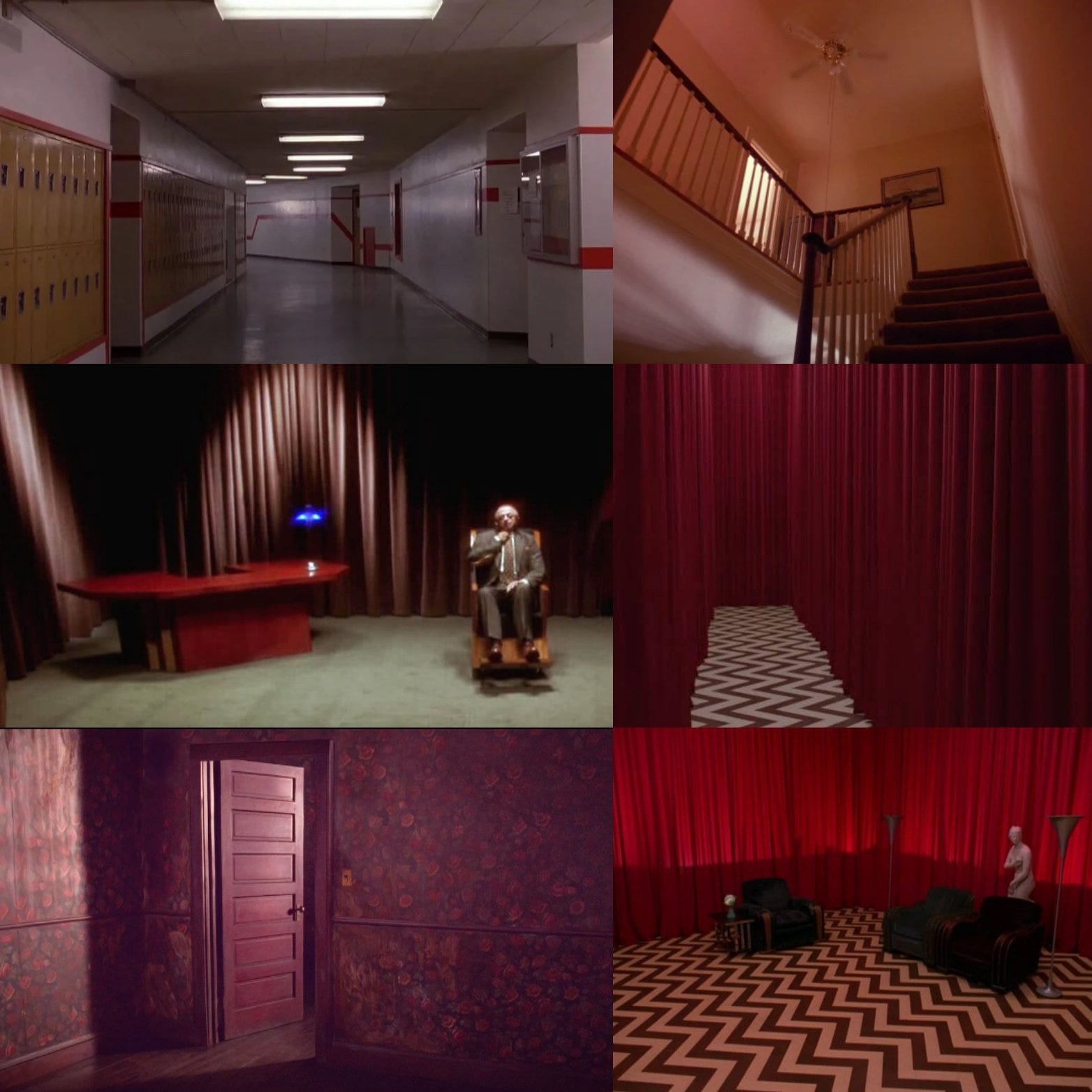
(David Lynch, the King of liminal spaces)
Kane Parsons’ Backrooms is incredibly impressive for a debut and makes me feel like a double asshole for having any doubts about YouTubers as filmmakers of the future! (First Obsession, now this!) Parsons’ already having this type of visual language and camera control, which completely transports us to a place and state of dread, is absurd in the best ways and feels like the work of a veteran director. This is way more in the psychological horror vein, where we are made to sit and take in the uncomfortable feelings of the Backrooms as we try to traverse this labyrinth of the uncanny with our characters, and, like the Overlook Hotel in The Shining, it becomes the film’s monumental star. Our real-life stars, Chiwetel Ejiofor and Renate Reinsve, do wonderful work here, elevating what I believe is a weak script that gets a bit lost in its own world. Still, when we were running around this maze of yellow walls with shitty digital cameras, I was so locked in and swept up by its alien world.
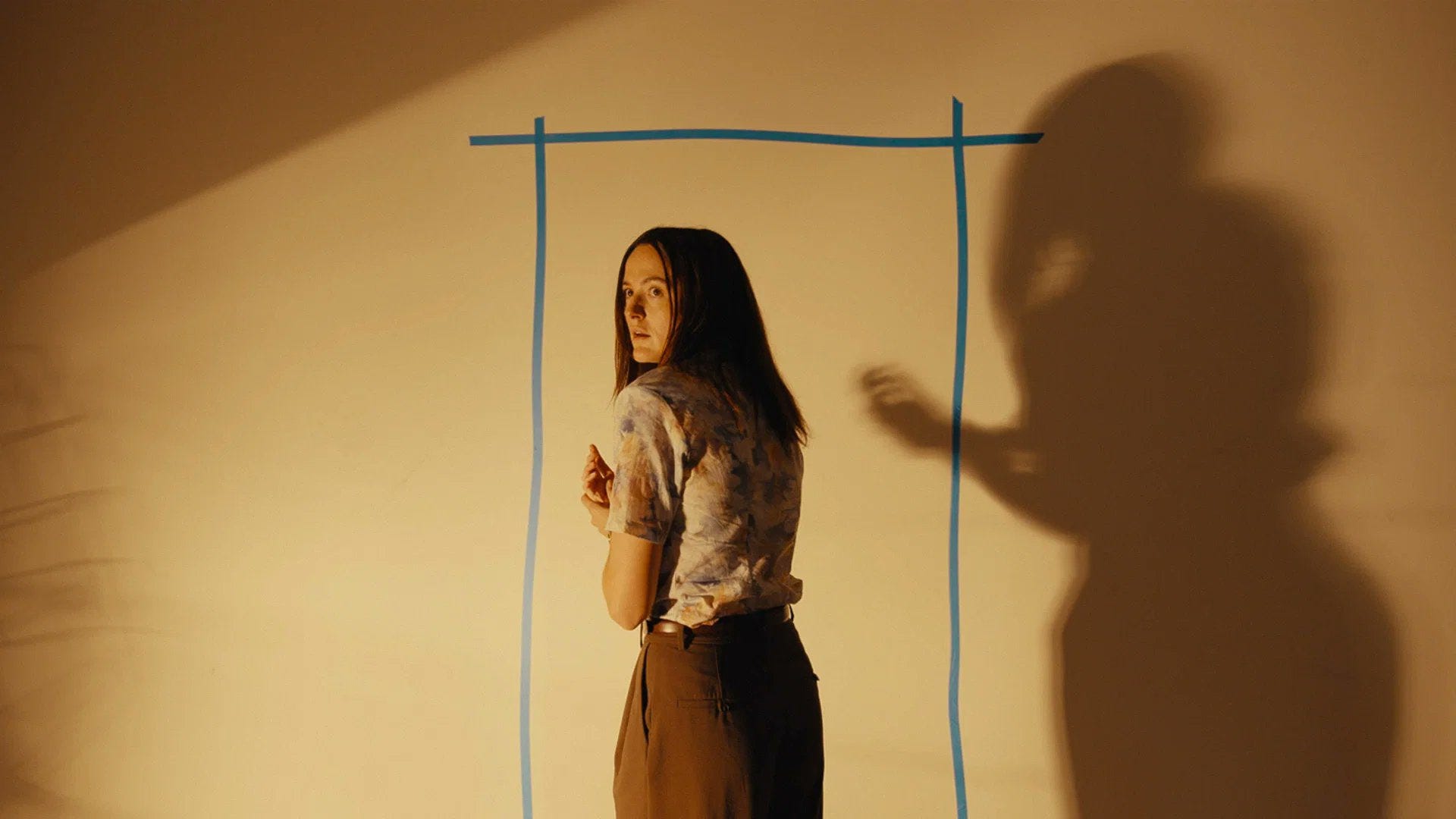
Backrooms follows Clark (Chiwetel Ejiofor), a furniture store owner who discovers an entrance to a creepy, liminal dimension of hallways and becomes increasingly obsessed with and absorbed by them. His therapist, Mary (Renate Reinsve), is concerned by his recent absences and finds herself searching for Clark and getting lost in the Backrooms as well. Can the two escape, or will the hallways and creatures that occupy this space consume them?
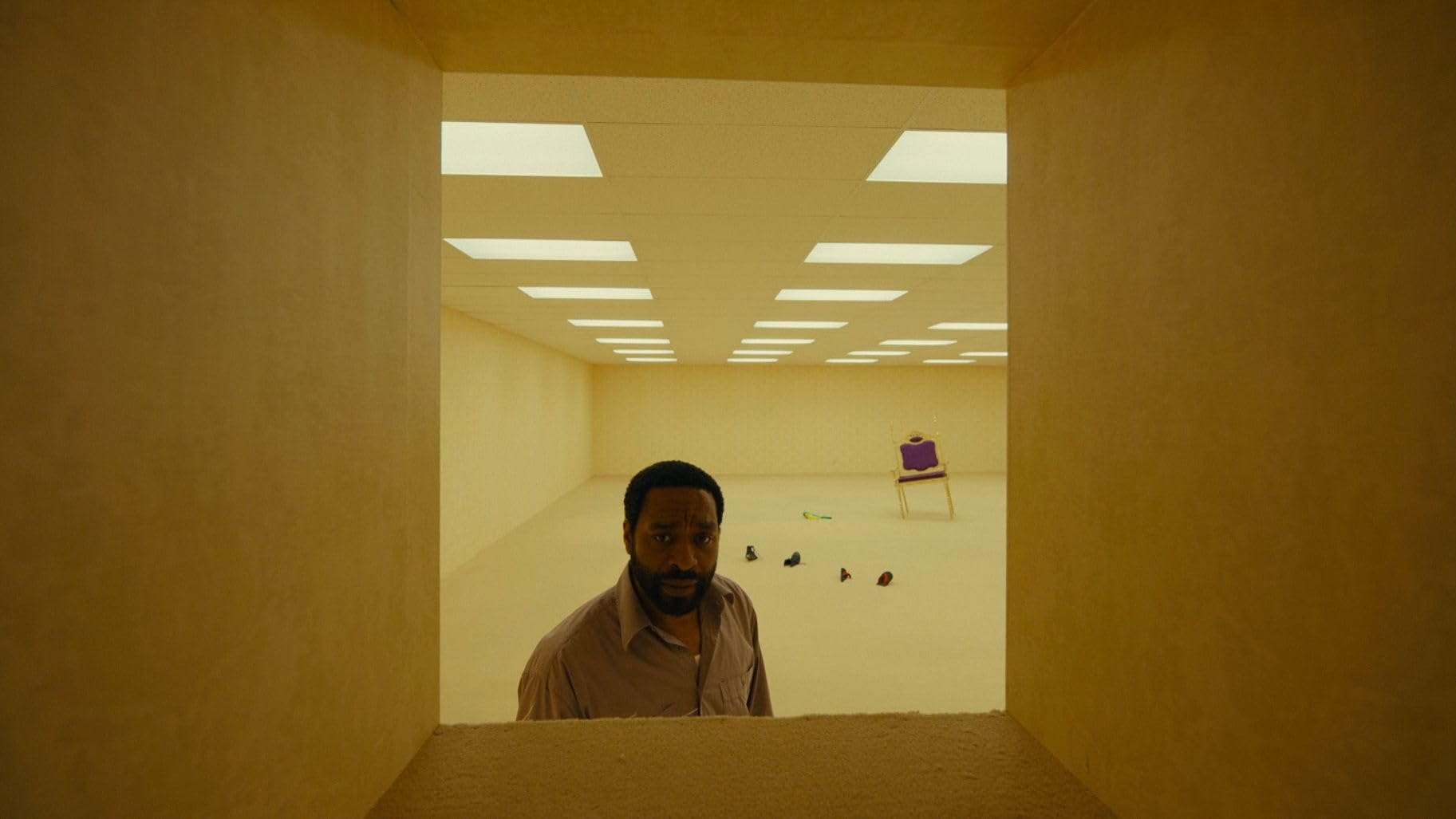
The major highlight of Backrooms is the feel of it, because very few movies can fully take you to a place this genuinely strange and make it work this effectively. Parson’s has fully crafted an alien world that’s filled with this dread that lingers all over the camera. I love this almost-fishbowl lens he’s using throughout the camera, where the characters’ heads feel so big, especially Clark’s, for thematic reasons, but the world is so wide and far away that it just oozes this uneasiness. As soon as we enter the Backrooms for the first time and see this brilliant silent acting of Chiwetel Ejiofor, whose reactions and the way he soaks in the space fully sell the world. My sequence that sold me completely was when Clark brings his employees into the Backrooms, and we switch into the found-footage digital creepypasta YouTube world that we all expected for most of the film. Still, it’s shot so seamlessly, and the momentum in which the scene moves is so thrilling. The amount of uncanny detail throughout the backrooms, from half-finished doors, people, sizes not matching, everything is just off, and I hate how it makes me feel on the inside, it’s amazing. The practical sets that feel so disturbed to seeing actual color in a horror movie pop off the screen in a way I haven’t seen since maybe Annihilation (2018), which gives us that cosmic horror feel I crave. Outside of the phenomenal direction and production design, you have to shout the sound design here, which may be the best part of the film, that’s so unnatural and taps on the back of your head throughout the film to remind you that you are not in a safe world. The level of dread that the film evokes is something special.
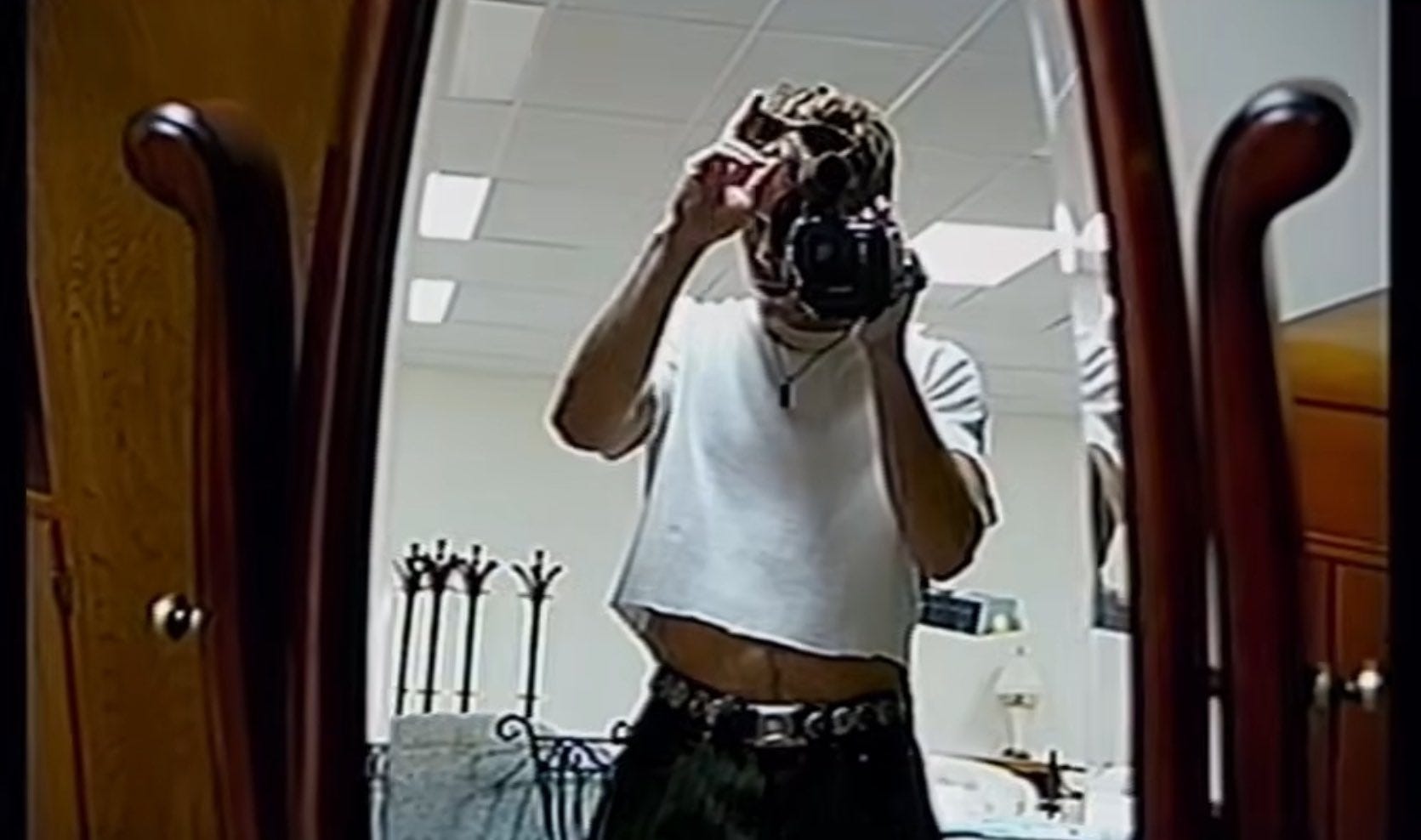
Now, the film looks and feels great, for sure, but it falls short because of its generic script, which results in wildly thin characters. I believe Ejiofor and Reinsve do a fantastic job of being completely petrified and taken aback by the world,d for sure. Still, I really never get a grasp of them as people. The dialogue is usually flat, and the therapy confrontation felt so forced and like it was just out of a first draft, but these are two great actors, elevating what is simple material. This weak script also seems to lead to misinterpretations of the film’s themes, which are supposed to be about trauma or grief of some sort, when the focus is on people’s memories, such as Mary’s memory of her mother or Clark’s memory of his wife. Memories that can become a maze you yourself can get lost in. Clark is a fucking loser who lives in his failing furniture store, in which he degrades himself by dressing in a pirate outfit and drinking alone each night. His egotism and inability to handle the real world have led his sorry ass to believe that living in the most horrible and terrifying Backrooms is a good alternative to handling his problems, which is a wonderful allegory for the internet. So many people would rather dive into the underbelly of the internet than self-reflect, confront their faults, or deal with memories that haunt them or that they’re unable to process, and that’s where I think the movie shines the brightest. I think, with a stronger script for Parsons next time around, we’ll be able to get something that truly blows us all away.
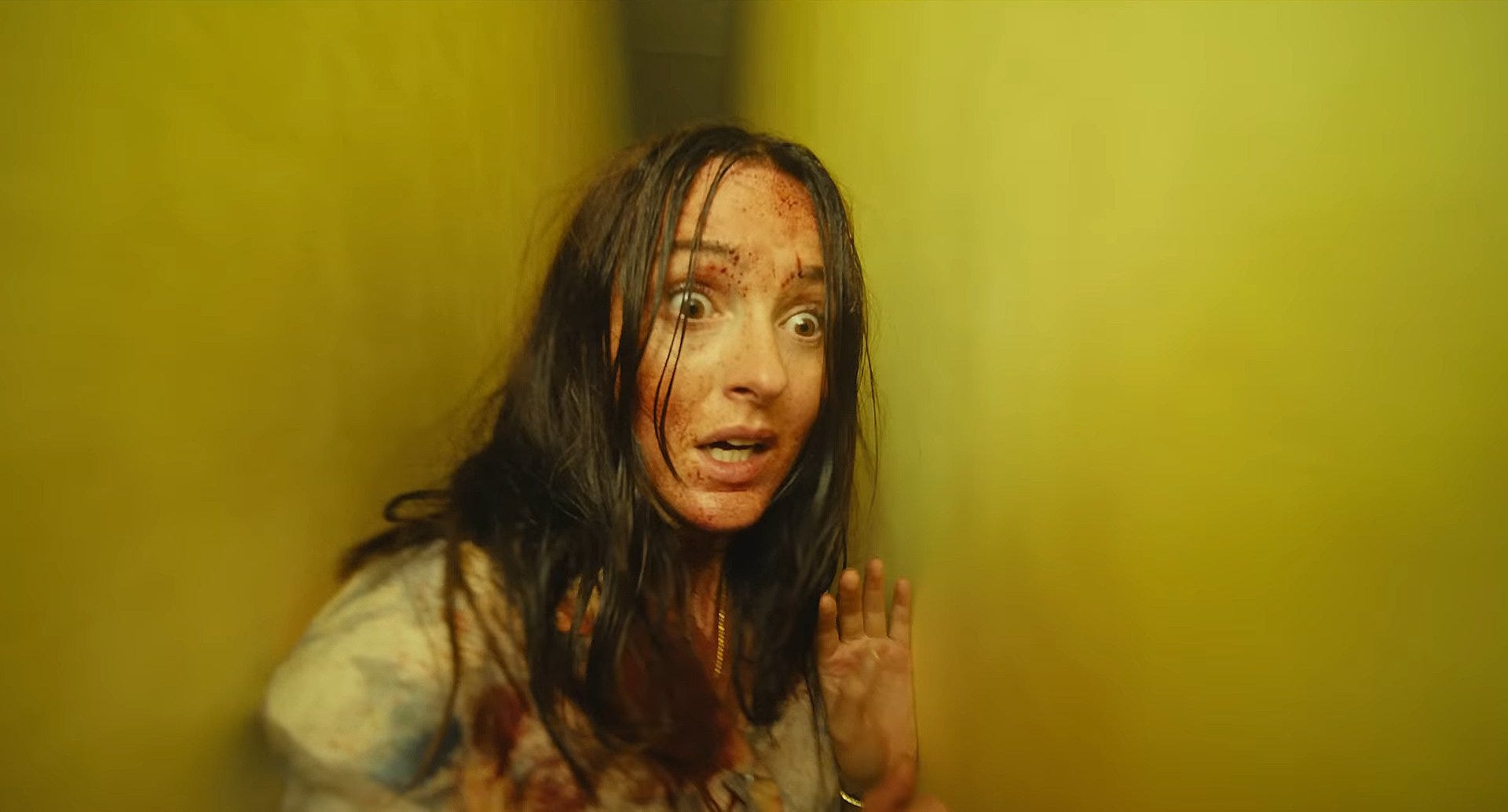
The Philadelphia Film Society redid its lobby, so the Center City theater was closed for a few months. When it reopened this year, it presented a 35mm screening of David Lynch’s Eraserhead. Seeing Jack Nance navigate an overbearing, dreadful world in Eraserhead, unable to cope with the stress of parenthood, in some of the most otherworldly horror you can imagine, was quite the treat on the big screen. I thought a lot about Eraserhead while watching Backrooms. A protagonist unable to handle the world, the overbearing atmosphere and sound design, and these liminal uncomfortable spaces that transcend writing or feeling that you can only watch to experience. A young director with a vision in his debut, able to execute it so finely, is so heartwarming to see realized. Good stuff!
Final Score: 7.5/10
Written by Kevin J. Pettit
If you loved Backrooms, please, this is your chance to watch Inland Empire (seen below), the greatest Liminal Space movie of all time, maybe next to Stalker. My friend Sam recently described it as "The Dark Souls of movies," and I can’t get it out of my head.
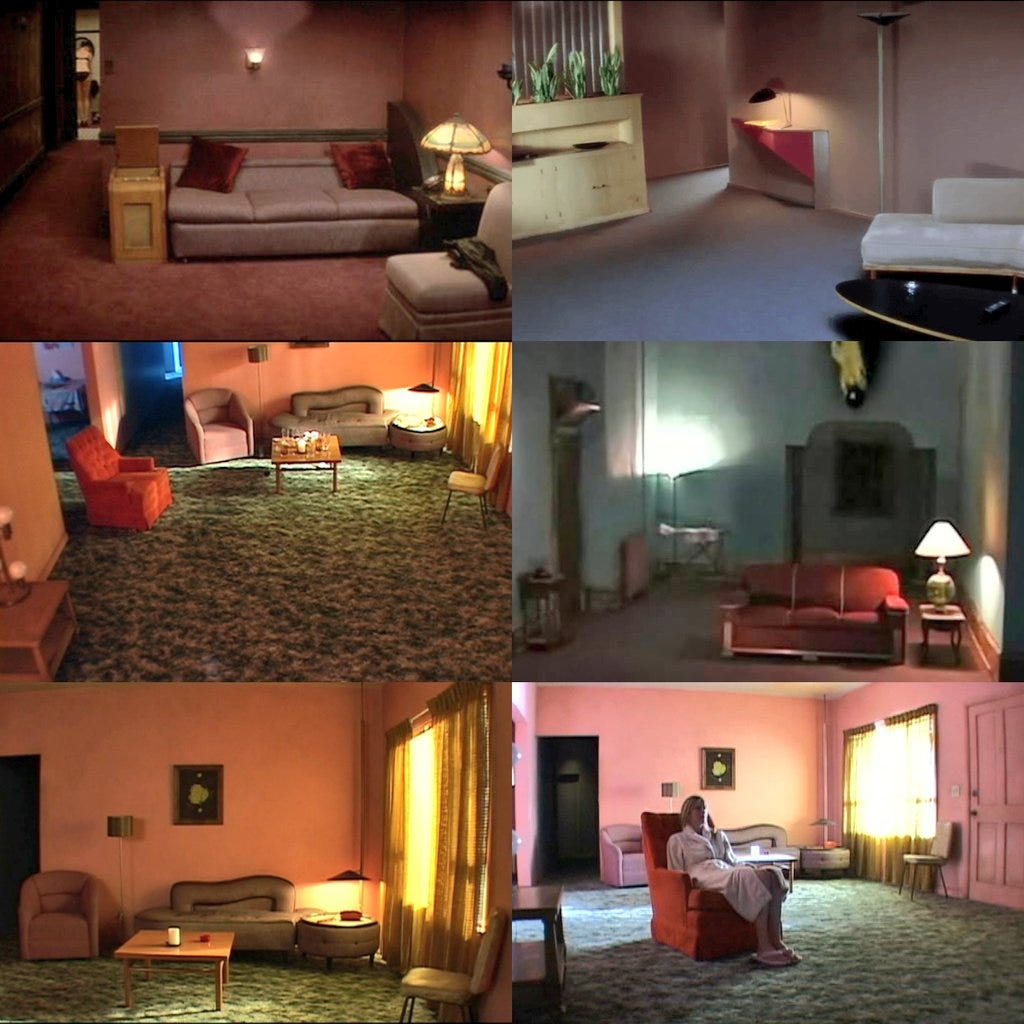
Wife mentioned!! I wish I could watch Twin Peaks with you for the first time all the time :)
What do you think makes a "good" or compelling liminal space on screen? While I haven't seen Inland Empire (yet), I think about the Black Lodge and Backrooms and wonder what makes each of these spaces work for us? The spaces in Backrooms are vast and varied in shape, texture, and color, while the Black Lodge is seemingly the same room (maybe two?) and one hallway over and over again in a seemingly infinite loop. What do you think the commonality is between these spaces that David Lynch created and what Parsons has created?