
Sentimental Value Review
Trauma Bonds

“Are we still lucky to be here?
I wish I could say
Somеthing sane to wash away
And annihilate the trauma that wе save
It might take just one
Reason inside to carry on
Or something sharp to cut these trauma bonds.”
Trauma Bonds, Blending, High Vis
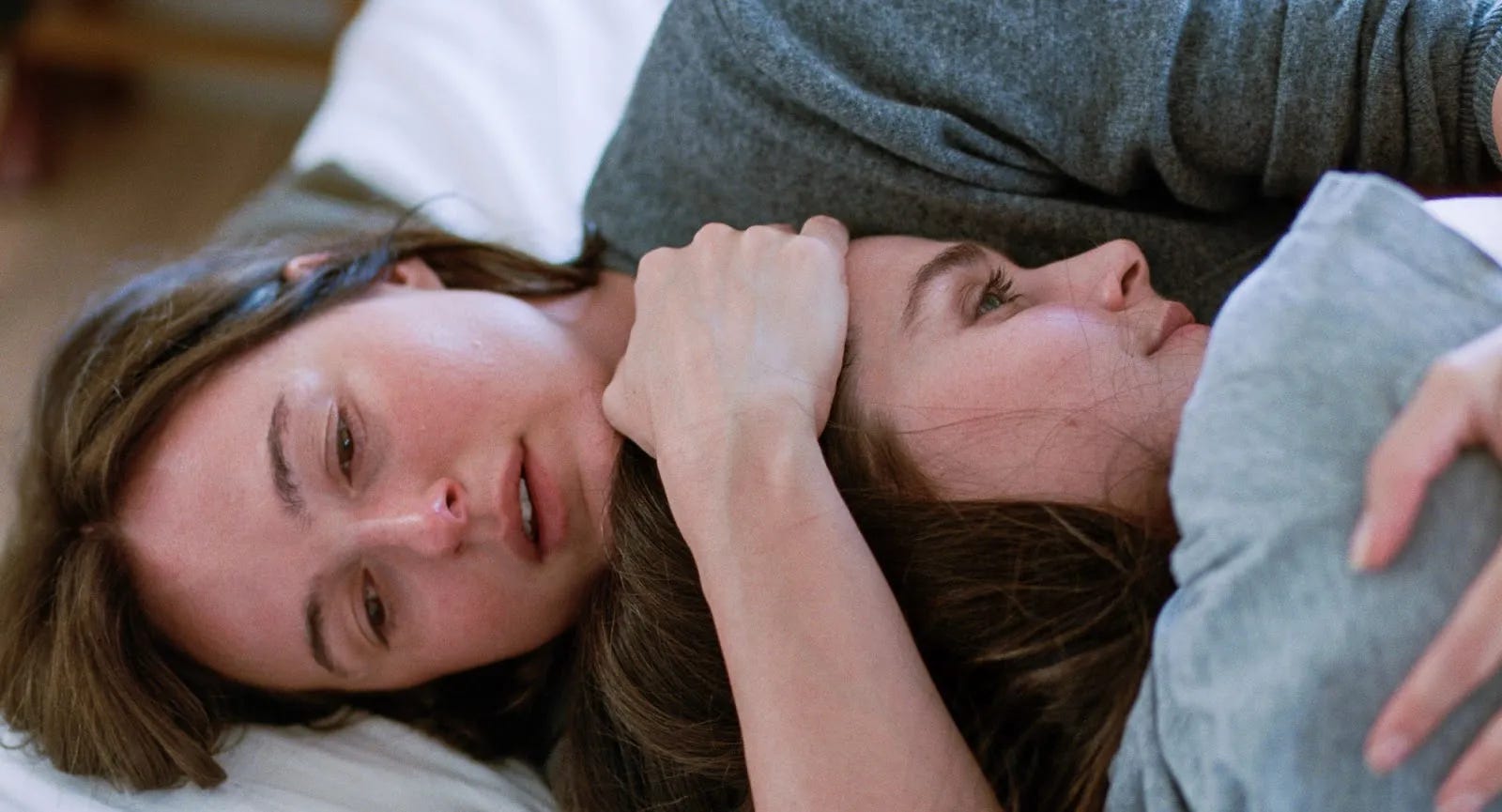
Joachim Trier’s Sentimental Value asks us to look inside ourselves and wonder what the bonds are that connect us. Do these bonds exist in the present, or do they travel through time to generations before us, and those ripples carry on for decades, affecting the people we are now? Do these connections transcend time, and can these bonds manifest in our art in ways we can only express in the medium we understand? We communicate in ways that are unorthodox and at times harmful, but do they become acceptable if it’s the only way we know how? Sentimental Value is a heartwrenching and charming family drama that’s tied together by its phenomenal cast, who throw their entire being into this film. Trier’s direction and use of empty spaces and blocking have never been better here, and his ability to elicit some of the best naturalistic and hilarious performances is triumphant. We can’t ever sever the trauma that’s happened to us, but maybe just reflecting into each other’s eyes once again is enough.
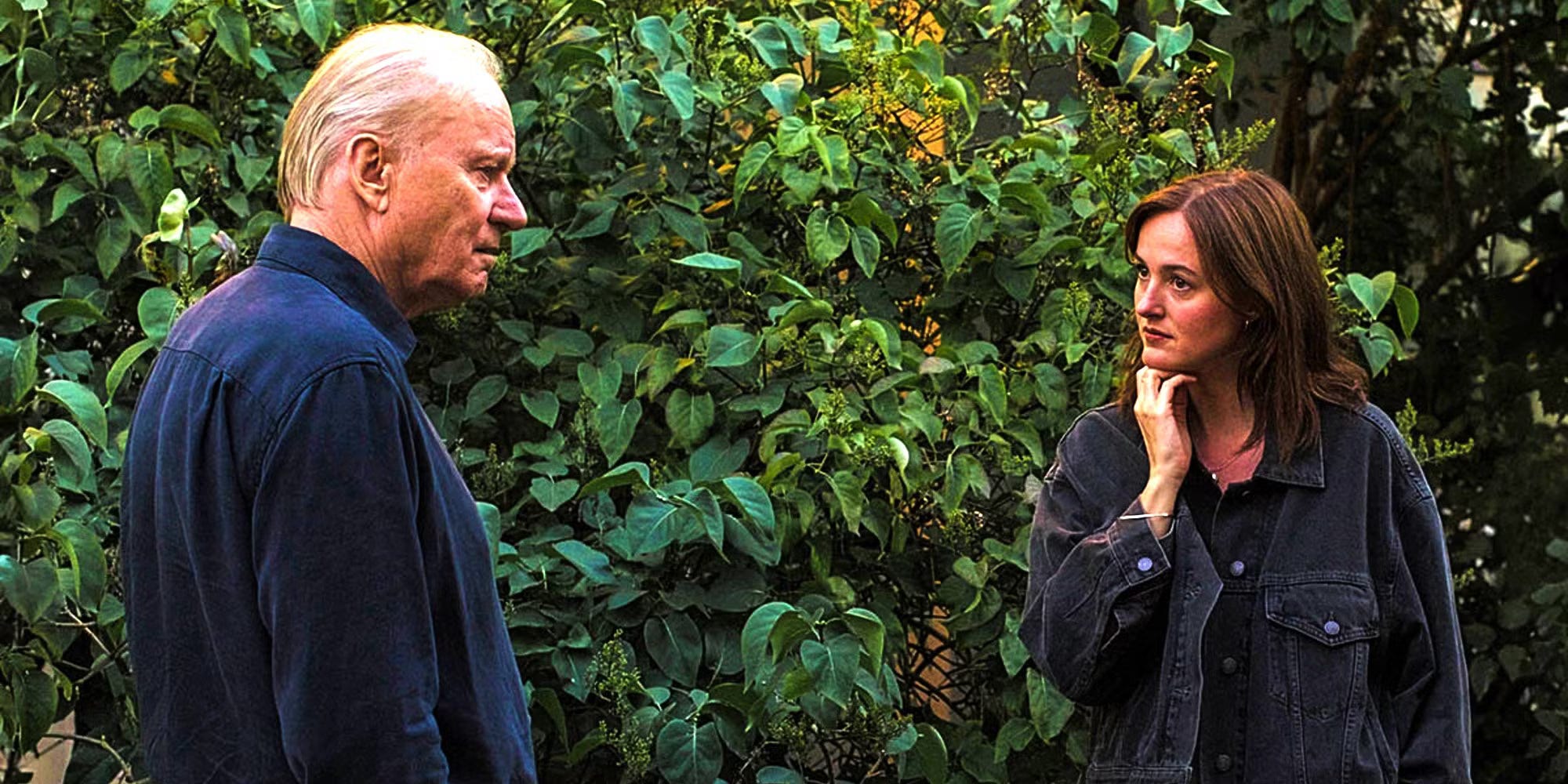
Sentimental Value follows two sisters, Nora Borg (Renate Reinsve) and Agnes Borg Pettersen (Inga Ibsdotter Lilleaas), after their mother’s death, as they confront their estranged father, Gustav (Stellan Skarsgård). Gustav was once a famed director who had returned to cast his daughter, Nora, as the lead in his family drama, which he wanted to shoot in their old home. Nora rejects his offer, but Gustav recasts Nora as the up-and-coming American actress Rachel Kemp (Elle Fanning). Can Gustav mend his relationship with his daughters through his art, or will he fall short?
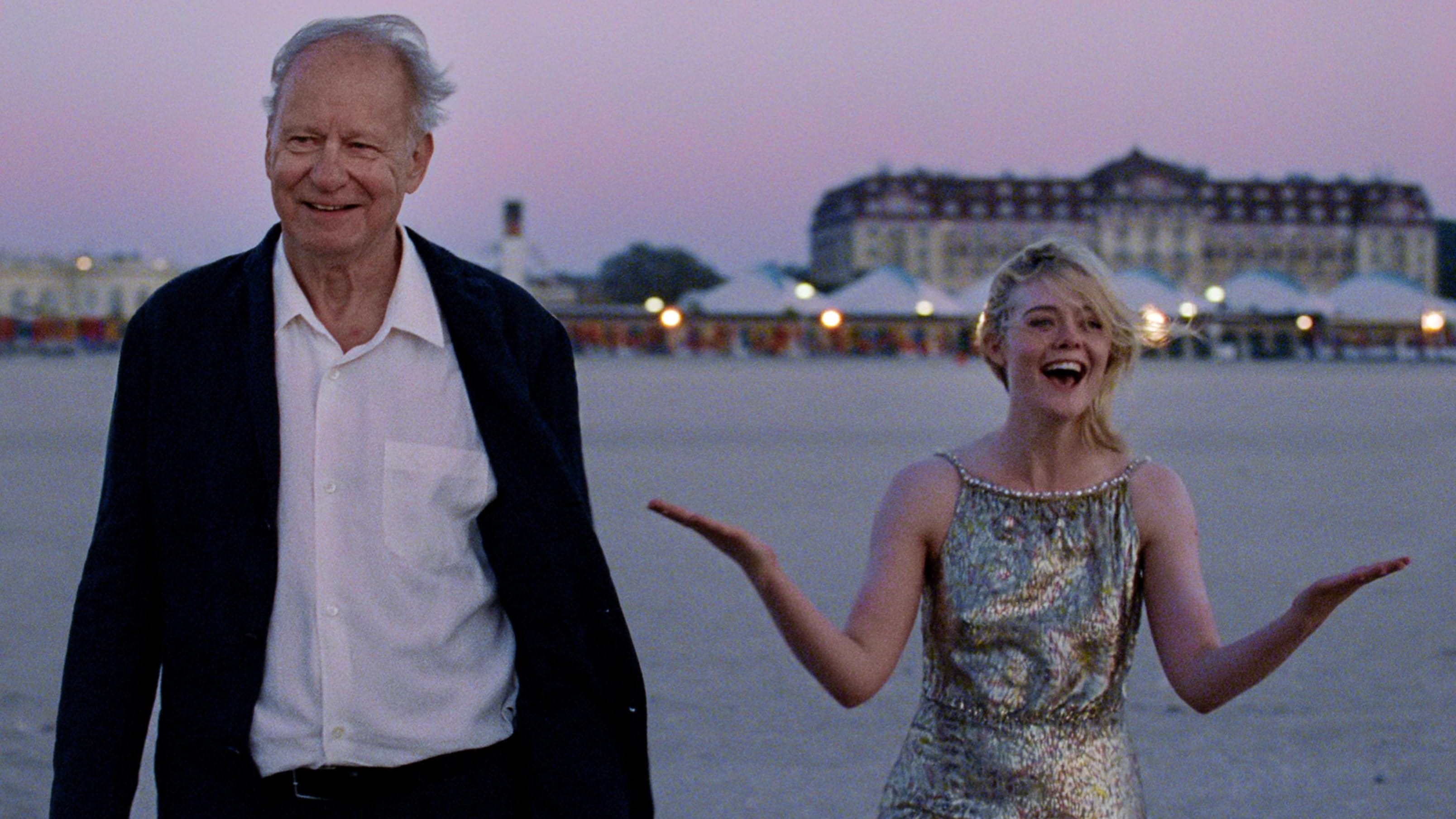
It’s hard not to choke up just trying to describe these tear-jerking performances by our leads. It’s clichéd to say this is a career best for some of the actors, but it’s hard not to throw that phrase around. Stellan Skarsgård, as our Herzog-washed-up director, brings a sense of prestige and melancholy to the role. He’s every bit proud of his work and why he pursued his endeavors, but he’s haunted by guilt that manifests in waves throughout the film, manifesting in dark humor, alcohol, or genuine vulnerability in his art. A man who can’t seem to escape his past but will do anything to create love and art out of the pain. Renate Reinsve, who became an American sensation in cinephile households everywhere from her previous collaboration with Trier in The Worst Person in the World (a movie that ruined me by coming out during my mid-20s). Reinsve is a mirror of her father, whose communication is strained with her sister and everyone around her, including her lovers. Her art must come first, but her love for others is always felt. Her relationship with her sister, played by Inga Ibsdotter Lilleaas, will have several people calling their siblings as the credits roll. I think Lilleaas had a tough job as the sibling who prioritized family over the arts, and how that separation affects the two, but she nails it. Also, ELLE FANNING! This part is also challenging to play, as the light and charming rising American actress is caught up in this family drama. Still, she plays it perfectly, making her almost underrated amongst these other performances. This part could have come off as goofy or awkward in different hands, but she carries this with so much pathos for the entire family, all clearly suffering from some trauma or emotional breakdown. The amount of love I had in my heart when she and Skarsgård were on the beach together was just incredible stuff.
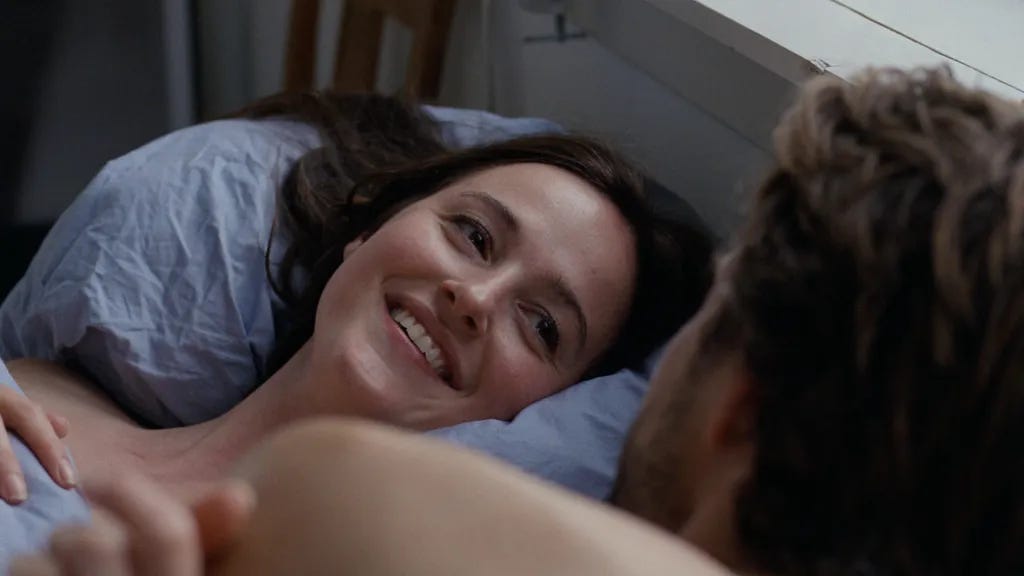
Trier’s direction here isn’t as innovative as it was in his last feature, but it’s definitely matured. I love the way he shares the space of actors and is always trying to ensure the emotion of the scene is in the foreground. As I stated before, the amount of emotion he’s able to evoke in us, even in empty spaces, and forcing us to fill in those spaces for ourselves, is powerful. The final one take of the film is truly special, so I won’t spoil it entirely, even though we know what’s coming. His script with Eskil Vogt is one of the best of the year, that’s not just about these dramatic fights over time loss or absence, but is brought in with real levity and care, where it’s not all just sadness. One final shout-out to Kasper Tuxen, the cinematographer, who handsomely shoots and finds those intimate spaces between us and the corners of our home, and to Olivier Bugge Coutté’s editing, which has some contenders for some of the most emotionally charged cuts of the year!
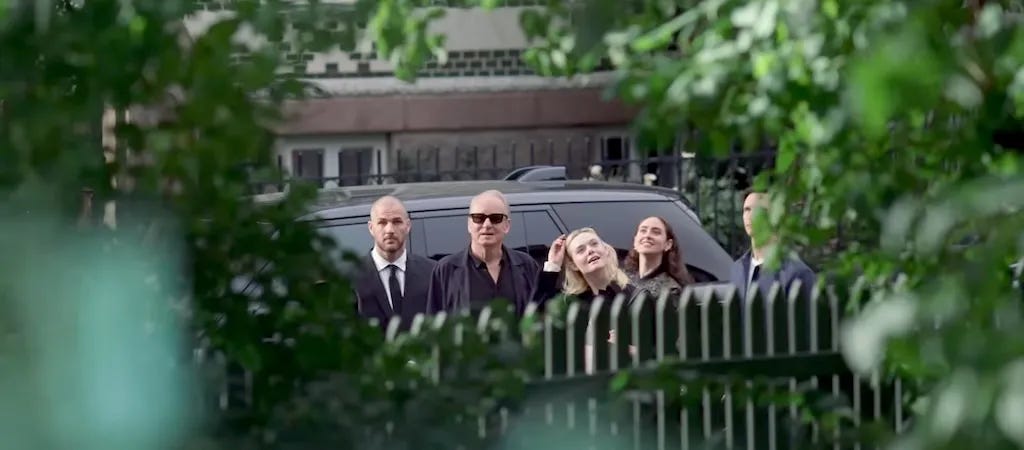
Sentimental Value will unearth feelings that are hard to swallow. A film is best when it’s honest, and I believe Trier has done a lovely job in getting to the heart of both the separation and the connection between art and family. Can there ever be a common ground between the two, or are we doomed to continue these vicious cycles of neglect for the sake of ambition? It’s up to us to come to terms with these matters and move on together. Anyway, please see this banger of a drama that will bring tears to your eyes and also take shots at Netflix, as they deserve.
Final Score: 9/10
Written by Kevin J. Pettit
I FINALLY caught it this evening. Wowsers, I wasn't expecting it to be that powerful. Your review captures it so well.
I was also wondering if this was a nod to Bergmann, especially with one of the shots where the three of them kept dissolving into the same face.
Finally got around to this earlier this week (and great review). It’s my favorite of the year, and it really reminded me of his English language debut, Louder Than Bombs. Except in Louder than Bombs, the two brothers and the father all are emotionally unavailable for each other, which is compelling in its own way, but doesn’t have the engine of the sister relationship in Sentimental Value…
Renate can’t communicate well, or doesn’t want to, but her Inga is able to see through her more.